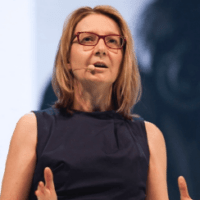
NK Singh氏
データセンターのコンサルティング、建設、運用管理の分野で33年の経験を持つ業界エキスパート
データセンター市場は、クラウドの普及、デジタルトランスフォーメーション、そしてAIの急速な進化を背景に、新たな成長局面を迎えています。
データセンター需要はこの10年以上にわたって着実に拡大してきましたが、現在の変化のスピードはこれまでとは一線を画しています。かつては段階的に進んでいたインフラ整備が加速し、新たなテクノロジーの登場によって、データセンターの設計、電力供給、運用のあり方そのものが再構築されています。
データセンター市場の成長は、本質的には企業や消費者によるテクノロジーの利用拡大と密接に結びついています。
オンラインサービスの利用が増加し、生成・蓄積されるデータ量が飛躍的に拡大する中、リアルタイム処理を必要とするアプリケーションも増え続けています。その結果、高い可用性を備えた信頼性の高いインフラへの需要が着実に高まっています。
この変化を後押ししてきた大きな要因の一つがクラウドコンピューティングです。企業は自社で物理インフラを保有することなく柔軟にシステムを拡張できるようになり、それに伴って、より大規模で効率的なデータセンターへの需要が拡大しました。そして現在、この基盤の上に新たな成長要因としてAIが加わろうとしています。
AIデータセンター需要の拡大は、現在のデータセンター業界における最も大きな構造変化の一つです。従来のワークロードは、電力や性能の要件に関して比較的予測可能でしたが、AIのワークロードはその性質が大きく異なります。
AIワークロードは従来のクラウドコンピューティングと何が違うのか
AIワークロードでは、大幅に高い計算密度、より高速な処理速度、そしてラック当たりはるかに大きな電力供給能力が求められます。従来のラック電力密度は一般的に約10キロワット(kW)程度でしたが、AI用途では現在100~150kW程度まで高まっています。
さらに、GPUベースのAIワークロードは単に多くの電力を消費するだけではありません。ごく短時間に大量の電力を瞬間的に消費するため、マイクロサージ(瞬間的な電力変動)が発生し、無停電電源装置(UPS)や送配電設備に影響を及ぼす可能性があります。
データセンター事業者は、従来のクラウド需要と将来のAI需要の両方に対応するために、どのような施設設計を進めているのか
こうした変化を受け、データセンター事業者は施設設計そのものを見直す必要に迫られています。従来のワークロードを前提に設計された施設では、大規模なアップグレードを行わない限り、AIの激しい負荷に対応できない可能性があります。
そのため、事業者は極めて高い発熱量や電力負荷に対応できるよう、電力供給アーキテクチャや冷却システムを抜本的に見直す必要があります。現在では、多くの新設データセンターが柔軟性を重視した設計を採用し、従来型のクラウドワークロードと将来的なAI需要の双方に対応できる構成を目指しています。現在のデータセンター市場の変革を牽引している大きな存在が、Amazon Web Services(AWS)、Microsoft Azure、Google Cloudといったハイパースケーラーです。現在では、これらのハイパースケーラーによるデータセンター容量の賃借需要が、世界全体のデータセンター需要の約80%を占めています。
その圧倒的な規模により、ハイパースケーラーはデータセンターの設計だけでなく、立地の選定や建設・展開のスピードにも大きな影響を及ぼしています。実際、ハイパースケール市場の需要は、消費電力、冷却要件、導入スケジュールなど、さまざまな面でインフラの限界を押し上げています。
言い換えれば、ハイパースケーラーのニーズが、現在のデータセンター市場全体の方向性を決定づけているのです。
ハイパースケーラーによる投資が拡大する一方で、コロケーションデータセンターはデータセンターエコシステムにおいて引き続き重要な役割を果たしています。実際に、小規模企業から大企業まで、幅広い企業がコロケーション施設を活用しています。
なぜ企業は、すべてをパブリッククラウドへ移行するのではなく、コロケーション施設を利用するのか
すべての企業が、自社専用のインフラを構築・保有するだけの規模や必要性を持っているわけではありません。コロケーション事業者を利用すれば、自前で施設を建設・運用するコストや複雑さを負うことなく、高品質なデータセンター環境を利用できます。
また、このモデルは高い柔軟性も提供します。企業は需要に応じてリソースを拡張・縮小しながら、自社ハードウェアの管理・運用を維持することができます。
実際には、多くの企業や組織が、特定のニーズに応じてハイパースケールクラウドとコロケーション環境を組み合わせて利用しています。
データセンターの定義そのものも変化しつつあります。
施設は大型化が進んでおり、単一の建物から複数の敷地(サイト)で構成される「キャンパス型」へと移行するケースが多くなっています。こうしたキャンパス化により、事業者は電力や接続性(通信環境)といった主要なインフラを共有しながら、より効率的に容量を拡張できるようになります。
同時に、これらの施設の複雑さも増しています。現代のデータセンターを設計・建設するには、物理インフラだけでなく、ネットワークシステムや運用プロセスを含む多層的な要素を考慮する必要があります。
さらに、急速に拡大する需要に対応するため、建設スケジュールの短縮も求められており、プロジェクトの実行難易度はこれまで以上に高まっています。現在のデータセンター市場において、あまり表面化しないものの極めて重要な課題の一つが、電力供給に関する制約です。
データセンターの運用には、安定した大量の電力供給が不可欠です。特にAIデータセンターの需要拡大に伴い、一部の地域では十分な電力を確保することがますます困難になっています。
この状況は、新たなデータセンターの立地選定や設計方針にも大きな影響を与えています。事業者は、エネルギー効率の向上、代替エネルギーの活用、そして長期的な持続可能性をこれまで以上に重視するようになっています。
電力はもはや単なるコスト要因ではなく、データセンター戦略全体を左右する重要な推進力となりつつあります。
データセンター市場は、もはや単なるインフラの枠に収まりません。クラウドコンピューティング、AI開発、そしてグローバルなデジタル接続を支える基盤として、その重要性を高めています。
現在起きている変化は一時的なブームではなく、業界構造そのものを変える転換点です。複数の要因が同時に需要を押し上げ、それぞれが相互に作用しながら、より高度で拡張性の高いデータセンターソリューションへのニーズを加速させています。
その一方で、業界は電力供給の制約や建設期間の長期化など、新たな課題にも直面しています。これらの課題にどのように対応していくかが、今後の成長を左右する重要なポイントとなるでしょう。
企業にとって、データセンター市場がどのように進化しているかを理解することは、ますます重要になっています。クラウド、インフラ、AIに関する意思決定はすべて、このエコシステムがどのように発展するかに密接に関係しているためです。
投資家にとっても、この市場は大きな成長機会を秘める一方で、複雑な側面を持っています。市場の成長性は高いものの、プロジェクトの実行リスク、建設コストの上昇、インフラの制約などを慎重に評価する必要があります。
特にリスク低減への要求は、施設コストに大きな影響を与えています。例えば、多くの商用データセンターは、保守作業中でも運用を継続できる「Tier 3(Concurrent Maintainability)」相当の基準で建設されます。一方、金融機関など高い可用性が求められる利用者は、「Tier 4(Fault Tolerant)」相当の施設を求めることが少なくありません。
投資家がこうしたプロジェクトを評価する際には、Tier 4施設の建設コストはTier 3施設と比べて約1.4倍になる点も考慮する必要があります。
結論として言えるのは、データセンターの役割はますます拡大しており、それに伴ってインフラに関する適切な意思決定の重要性も高まっているということです。
本記事は、NK Singh氏が登壇したGLGラウンドテーブル「Building and Optimizing Data Centers in India」(2026年2月26日開催)の内容をもとに再構成したものです。本イベントの録画は、GLGライブラリーでご視聴いただけます。さらに、データセンターを取り巻く環境の変化や業界動向について、NK Singh氏のより深い知見を得たい方、個別に対話をご希望される方は、お気軽にお問い合わせください。
NK Singh氏について データセンターのコンサルティング、建設、運用管理の分野で33年以上の経験を持つ業界のエキスパート。戦略的な設計とオペレーショナルエクセレンスを専門とし、約20年にわたりシニアマネジメント職として、インドおよび海外市場で複雑なインフラプロジェクトを数多く手掛けてきた。1~2営業日以内に、担当者よりご連絡させていただきます。
Hilary Malone PhD, has over 25 years of experience in global drug development, regulatory &government affairs, manufacturing and commercialization within the biopharma industry. Hilary hassignificant board level and executive committee experience including large scale organizationalrestructuring/transformation/integration, major M&A, biotech start-up, capital raising, investorrelations and pre-IPO.
Hilary is currently CEO of Stylus Medicine, a private genetic medicine biotech company. Previously sheserved as CEO of a Series-A neuroscience company. Prior to these roles, Hilary served as COO & EVP atValo Health Inc., Chief Regulatory Officer & SVP at Sanofi Inc., and Chief Regulatory Officer & SVP atPfizer and Wyeth. Previous experience also includes senior regulatory and drug development roles atReata Pharmaceuticals Inc., AstraZeneca plc and GlaxoSmithKline plc.
Hilary also serves on the Board of Directors of Hansa Biopharma and Adthera Bio. Hilary holds a PhD inMolecular Neuropharmacology and a BSc in Physiology.
Dr. Thomas Lönngren is Director at his own company PharmaExec Consulting AB. He is the Chairman of the Board of directors at Egetis Therapeutics AB, Sweden. Dr Lönngren also serves as board member at Compass Pathways PLC, London UK and NDA Group, Sweden. He acts as advisor to the following companies and organizations: NDA group, Sweden, Sweden, Artis Venture, San Francisco, US, Fujimoto Japan, Skin2Neuron Pty Ltd, Sydney, Australia, US, Special advisor to the Centre for Innovation in Regulatory Science (CIRS), London UK. From 2001 until2011, Mr.Lönngren served as the Executive Director of the European Medical Agency. He was previously Deputy General Director of the Swedish Medical Product Agency until 2000. He has a degree in pharmacy and MSc in Social and Regulatory Pharmacy from Uppsala University. He is also an Honorary Member of the Royal Pharmaceutical Society of Great Britain, Honorary Fellow of the Royal College of Physicians in Great Britain, Honorary Doctorate from the University of Uppsala, Honorary Doctorate from University of Bath, UK.
Marie-Anne has built a portfolio of senior advisory and non-executive roles, following a successful international career in the FMCG and Luxury sectors. She is a non-executive director of Haleon, a FTSE100 company listed in 2022 after the demerger from GSK. She is also chairwoman of Haleon Environment and Societal Sustainability committee. She is the executive director of the Pierre Fabre Group where she also sits on the Strategic Committee, and she is a Board Member of The Academy of St. Martin-in-the-Fields, one of the world’s most prestigious chamber orchestras. She is also an angel investor and focuses her time and investments on start-ups with the strongest purpose and impact.
Marie-Anne is also a regular lecturer at HEC Paris on purposeful leadership, and she has created a serious game called “Planet Purpose” to upskill people on sustainability and purpose. Throughout her 35year executive career she delivered a strong track-record of business performance and growth in brands and portfolio in both developed and emerging economies.
As a senior leader with Unilever, she led a number of different personal care categories across France, Spain and the USA – including managing the Dove brand worldwide and culminating in leading Unilever’s global Oral Care division. She also worked for LVMH as Brand General Manager of Dior Perfumes and Cosmetics worldwide. Marie-Anne was also Vice-President of Imagine for Margo – Children with Cancer for ten years, a charity she helped found in 2011 with the goal of eradicating children’s cancer. The charity is the #1 charity focused on child cancer in France and has fundraised more than €14m since its creation. Marie-Anne is a graduate from HEC Paris. She is married and has two children aged 29 and 26.
Patrick Jephson is a consultant, journalist, broadcaster and New York Times bestselling author, based in Washington D.C. He is a published authority on corporate and personal branding and crisis communications, addressing conferences worldwide as well as events at the U.S. State Department, the American University and the Annenberg School for Communication and Journalism.
With more than twenty-five years’ experience in the government, luxury and family office sectors, Patrick’s portfolio has included globally admired brands as well as national agencies and NGOs. He has also worked on reputation and legacy briefs with European, Middle Eastern and Asian families, including royalty. He now writes, presents, and advises on factual and drama TV programs, appearing on every major American and many international networks. He was recently an expert consultant to the award-winning Netflix series The Crown and provided live commentary on the Coronation of King Charles.
Patrick owes much of his practical communications and protocol experience to Princess Diana, who chose him to be her equerry and only private secretary/chief of staff. He served the Princess for eight years, responsible for all aspects of her public life, global humanitarian initiatives, and private organization. Having worked for an internationally high-profile woman (and as the father of two professionally successful daughters) he feels a special affinity for cross-cultural, gender and perception issues.
Patrick was born and raised in Ireland and holds a master’s degree in political science from Cambridge University. As an officer in the British Royal Navy, he served all over the world before being selected for royal duty. He is a citizen of the U.K., U.S.A., Ireland, and Canada.